
A prefab house cost breakdown helps buyers understand the total project budget, not just the initial factory quotation. When planning a prefabricated housing project, it is important to consider materials, shipping, installation, and other expenses that may significantly affect the final cost.
At CEALUM, we work with manufacturing partners in China to support overseas prefabricated housing projects. We understand that buyers need more than a competitive product price. They also need clarity on what is included in a quotation, which additional costs may arise, and how to compare different supply options effectively.
In this guide, we explain the main factors that affect prefabricated house costs, from materials and manufacturing to international shipping, installation, and local project requirements.
1. Prefab House Cost Breakdown: What Determines the Price?
There is no single price for every prefabricated house. The final cost depends on several factors, including building size, structural design, material specifications, interior finishes, electrical and plumbing systems, and the level of customization.
Before comparing quotations, buyers should understand the following cost components.
Building Size and Design Complexity
The size of a prefabricated house directly affects material consumption, manufacturing requirements, packaging, and transportation.
However, two houses with the same floor area may have very different prices.
For example, a simple rectangular building with a standard layout may require less fabrication work than a building with multiple roof levels, large openings, complex structural connections, or extensive customization.
When requesting a quotation, provide your supplier with the building dimensions, floor plan, number of rooms, roof design, and intended use.
This helps manufacturers prepare a more accurate quotation and reduces the risk of unexpected changes later.
Structural Materials
The structural system is another major factor affecting cost.
Depending on the project requirements, prefabricated buildings may use light steel framing, heavier steel structures, or other engineered systems.
Each option has different material, fabrication, transportation, and installation requirements.
The right choice depends on the building’s intended use, structural loads, local regulations, environmental conditions, and design requirements.
Instead of selecting a structure based on price alone, buyers should compare the proposed specifications and confirm that the system is suitable for the intended project.
Wall, Roof, and Insulation Materials
Wall panels, roofing systems, insulation, windows, and doors can all influence the final quotation.
For example, buildings intended for cold climates may require different insulation and window specifications from buildings designed for warmer regions.
Projects in coastal environments may also require additional attention to corrosion protection, fasteners, coatings, and material durability.
When comparing suppliers, ask for a detailed material specification rather than relying on general descriptions such as “high-quality materials.”
A clear specification makes it easier to understand what you are paying for.
Interior Finishes and Building Systems
A prefabricated house can be supplied as a basic structural package or as a more complete building solution.
Depending on the supplier and project scope, the quotation may include:
- Structural framing and connections
- External walls and roofing
- Doors and windows
- Interior wall and ceiling finishes
- Flooring
- Electrical systems
- Plumbing and sanitary fixtures
- Kitchen and bathroom fittings
- Insulation and waterproofing components
Not every manufacturer includes all these items in its standard quotation.
Before placing an order, confirm which components are included, which are optional, and which must be sourced locally.
2. How Much Does International Shipping Add to the Cost?
For overseas buyers purchasing prefabricated houses from China, international transportation is an important part of the overall budget.
Shipping costs depend on the destination, shipment volume, packaging method, container requirements, shipping schedule, and applicable freight charges.
The building’s dimensions and the way components are packaged can also affect how efficiently the cargo fits into containers.
A manufacturer may help optimize component dimensions and packaging to improve transportation efficiency, provided the design and structural requirements allow it.
When requesting a shipping estimate, prepare the following information:
- Destination country and port
- Estimated building dimensions and total quantity
- Approximate shipment volume or packing list, if available
- Required delivery schedule
- Preferred shipping terms
Remember that an ocean freight quotation does not necessarily include every cost associated with delivering the goods to your project site.
Depending on the agreed terms, additional charges may include cargo insurance, destination port handling, customs clearance, import duties, inland transportation, and unloading.
Ask for a clear breakdown of which charges are included and which remain your responsibility.
3. Installation Costs: What Should Buyers Expect?
Installation costs vary considerably between projects.
Some prefabricated building systems are designed for relatively straightforward assembly, while others require specialized equipment, more extensive structural work, or additional on-site trades.
The installation budget may include:
- Site preparation and foundations
- Unloading and material handling
- Cranes or other lifting equipment
- Assembly labor
- Structural connections and finishing work
- Electrical and plumbing connections
- Waterproofing and sealing
- Local inspections and approvals
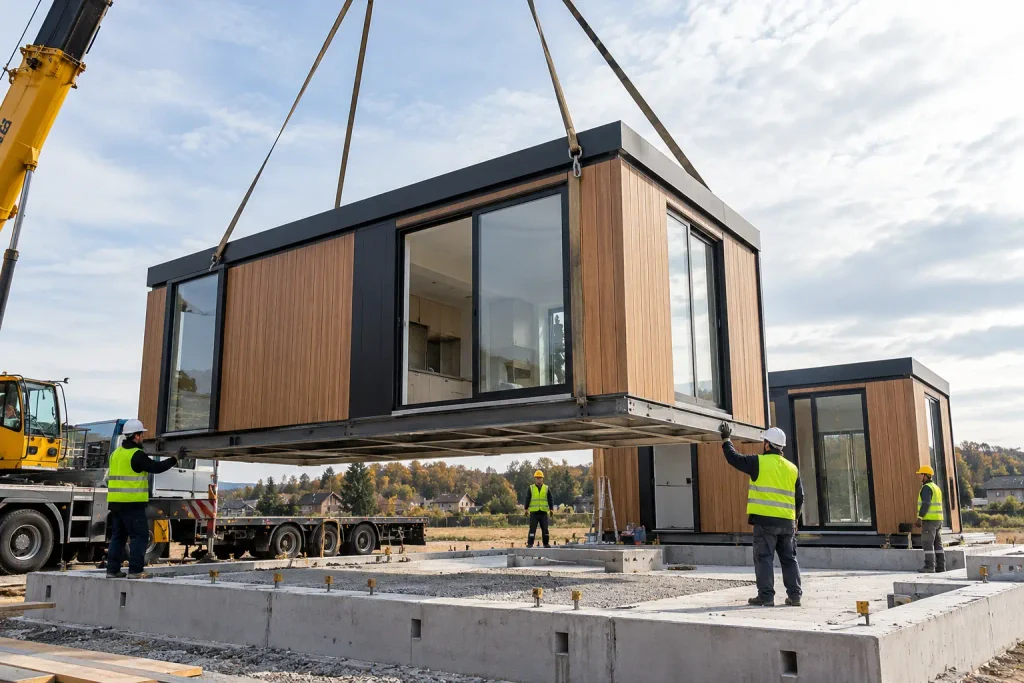
The exact scope depends on the building design and the division of responsibilities between the manufacturer, contractor, and local project team.
Before ordering, confirm whether the manufacturer provides installation drawings, assembly instructions, remote technical support, or on-site installation services.
If local contractors will complete the installation, share the drawings and technical specifications with them before production begins.
This helps identify potential construction issues early and reduces the likelihood of costly modifications on site.
For a practical example of a prefabricated housing solution, explore our Double Wing Expandable Container House.
4. Hidden Costs That Buyers Should Consider
A low factory quotation does not always mean a low total project cost.
Some expenses may be excluded from the initial quotation or become apparent only after the project requirements are finalized.
Design and Engineering
Depending on the project, additional costs may arise from architectural design, structural calculations, engineering documentation, and revisions.
Projects in different countries may require local professionals to review or certify certain documents.
Confirm which drawings and engineering services the manufacturer provides and which must be arranged locally.
Permits and Local Compliance
Building permits, planning approvals, code compliance reviews, and professional certifications vary by destination and project type.
A prefabricated building supplied from overseas may still need to satisfy the applicable requirements of the country or region where it will be installed.
Do not assume that a factory’s general product documentation automatically satisfies every local approval requirement.
Clarify the relevant requirements with the local building authority and qualified professionals before finalizing the design.
Import Duties and Customs Charges
Import duties, taxes, customs clearance, and other border-related charges depend on the destination and the classification of the imported products.
These expenses should be considered separately unless the quotation explicitly includes them.
Buyers should also confirm the applicable Incoterms and the exact point at which costs and responsibilities transfer between the seller and buyer.
Changes After Production Begins
Design changes made after materials have been purchased or production has started can increase costs and delay delivery.
Common examples include changing window dimensions, modifying room layouts, upgrading finishes, or adding electrical and plumbing components.
To minimize these risks, approve the drawings, material specifications, finishes, and supply scope before production begins.
5. How to Compare Quotations from Different Prefabricated House Manufacturers
When evaluating multiple suppliers, avoid comparing only the final quoted price.
A lower quotation may reflect a different material specification, a smaller supply scope, or the exclusion of services that another supplier has included.
Use the following checklist when reviewing quotations.
| Item to Compare | Questions to Ask |
|---|---|
| Structural system | What structural materials and specifications are included? |
| Wall and roof systems | What panels, insulation, and finishes are supplied? |
| Doors and windows | What types, dimensions, and performance specifications are included? |
| Interior finishes | Are flooring, ceilings, kitchens, and bathrooms included? |
| Electrical and plumbing | What systems and components are covered? |
| Drawings and engineering | Which drawings and technical documents will be provided? |
| Packaging | How will the components be protected for international transportation? |
| Shipping | Is freight included, and which destination charges are excluded? |
| Installation | Are installation services or technical support included? |
| Warranty | What are the warranty terms, exclusions, and maintenance requirements? |
| Delivery schedule | What production and delivery timelines are specified? |
| Payment terms | What are the payment milestones and contractual conditions? |
A detailed comparison allows you to evaluate the actual value of each proposal rather than selecting a supplier based on the lowest initial number.
6. How to Reduce Prefabricated House Costs Without Compromising Quality
Reducing project costs does not necessarily mean choosing cheaper materials.
In many cases, better planning can deliver more meaningful savings.
Standardize the Design Where Possible
Standard dimensions, repeated room layouts, and consistent component specifications can simplify manufacturing and reduce unnecessary customization.
For developers and distributors ordering multiple units, standardized designs may also improve purchasing efficiency.
Finalize Specifications Before Production
Late design changes can lead to additional material purchases, production adjustments, and delivery delays.
Approving drawings and specifications before manufacturing helps reduce avoidable costs.
Optimize Packaging and Transportation
Discuss packaging and container loading with your manufacturer early in the project.
Efficient packaging can help control shipping costs, although the final arrangement must still protect the components and comply with transportation requirements.
Compare Complete Supply Packages
Ask suppliers to clearly separate factory supply, optional upgrades, transportation, and installation.
This makes it easier to identify which items genuinely affect cost and which expenses have simply been excluded from the quotation.
Select Materials for the Actual Environment
Material selection should reflect the building’s location, climate, intended use, maintenance plan, and applicable regulations.
The cheapest option may not offer the best long-term value if it requires more frequent repairs or is unsuitable for the environment.
The objective is to balance initial investment, durability, maintenance, and performance.
7. Sourcing Prefabricated Houses from China: What Buyers Should Know
China offers a wide range of prefabricated housing solutions, from standard modular units to customized designs for residential, commercial, and hospitality projects.
For overseas buyers, choosing the right product is only one part of the purchasing process. Clear specifications, transparent quotations, reliable supplier communication, and coordinated delivery are equally important.
When comparing suppliers, buyers should consider not only the factory price but also the proposed materials, customization options, production schedule, packaging, and shipping arrangements.
Working with an experienced sourcing partner can help simplify communication between buyers and manufacturers, especially when a project involves customized requirements or multiple building components.
At CEALUM, we support prefabricated housing projects by helping customers review product options, coordinate specifications with manufacturing partners, and prepare quotations based on their project requirements.
Our goal is to help buyers better understand what is included in their purchase and make informed decisions about product configuration, cost, and delivery.
8. Request a Prefabricated House Quotation for Your Project
Every prefabricated building project has different requirements.
To prepare a useful quotation, a manufacturer needs to understand the proposed building size, design, materials, destination, and required supply scope.
If you are planning to source a prefabricated house from China, prepare the following information before contacting a supplier:
- Project location and intended use
- Building dimensions and number of units
- Floor plans, elevations, or reference images
- Preferred structural and wall materials
- Required interior finishes and building systems
- Expected delivery schedule
- Required certifications or local compliance documents
- Whether you need factory supply only or additional project support
Providing this information helps the manufacturer assess your requirements and prepare a more relevant proposal.
At CEALUM, we understand that international buyers need clear specifications, coordinated supply arrangements, and practical solutions tailored to their projects.
Whether you are an importer, distributor, contractor, or property developer, discussing your requirements early can help identify a suitable building configuration and clarify the expected scope of supply.
Contact CEALUM to discuss your prefabricated house project and request a quotation based on your design, material requirements, and destination market.